Q:

Frequent Urge To Pee In Winter?

Frequent Urge To Pee In Winter?
A:

Has anyone worried about frequent urination in the colder weather and hoped they don't have a kidney problem? This is actually a common phenomenon and not much to worry about!


The primary job of the kidneys is to filter waste substances in the blood and flush them out through urination. When people are exposed to a cold environment, they can experience a phenomenon called "cold diuresis." Our blood vessels constrict to allow our body to direct blood flow to the vital organs to keep them warm. As more blood is rushing into the vital organs at a higher frequency, our body filters more blood than usual, resulting in frequent urination.


Therefore, it is normal to pee more in a cold environment. It did cause some inconvenience to our life, but never hold your pee or drink less water. Dehydration and holding pee for a long period of time is harmful to urinary tract health. And because we urinate more, it is even more necessary to ensure we drink enough water.


"Cold diuresis" may seem annoying, but it can be a life-saving warning. Medical experts believe that "cold diuresis" is our body's mechanism to prevent body temperature from going down too low. Excessive heat loss can lead to shivering, confusion, slurred speech, shortness of breath, and even death. Medical experts see "cold diuresis" as the first warning sign when the body loses too much heat. They suggest people go to a dry and warm place and seek medical attention immediately once the signs appear. 

Reference:
  1. AccuWeather
Disclaimer:
  • * All research and clinical data should be used as reference purposes only, results may vary.

RELATED QUESTIONS
A:
DTS is specially formulated to support your body’s natural detoxification system and help you feel revitalised from within. This unique blend of premium Japanese herbs, including Panax Pseudo Ginseng and Eucommia, works together to promote kidney and liver health.   DTS Renews Your Body from Within The carefully selected ingredients in DTS work together to enhance circulation and support your kidneys’ natural filtering function
A:
Recently, we had the honour of inviting one of our loyal users, Annie, to share her experiences with DTS. As a busy housewife and mom, Annie knows all too well how challenging it can be to juggle daily responsibilities while trying to take care of herself. Like many moms, Annie often puts her family’s needs before her own. After her second child arrived, her days became even busier. She was packing lunches, tidying up toys, and chasing after two energetic kids from mornin
Hit Questions
A:
When it comes to assessing kidney function, two common tests are often used: Creatinine Clearance and estimated Glomerular Filtration Rate (eGFR). Both provide valuable insights into how well the kidneys are filtering waste from the blood, but there are key differences between the two. Understanding these differences can help patients and healthcare providers make informed decisions about kidney health.   Comparison of eGFR and Creatinine Clearance
A:
How long does it take to see results? Should I stop taking it after a while? Are there any side effects? These are some of the most common questions we get, and let’s find out the answer together.   How long does it take to see results? Results often vary among different users, as no two individuals have the same condition, diet, and lifestyles, which could all play parts in the effects of DTS. Kidney damage is known to be irreversible
A:
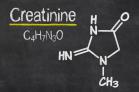
High creatinine levels can be indicative of kidney injury or disease. Creatinine is a waste product that accumulates in the bloodstream and is normally filtered out by healthy kidneys.   Understanding High Creatinine Levels Creatinine levels in the blood can provide valuable insights into kidney function. When creatinine levels are high, it suggests that the kidneys are not effectively filtering waste products from the bloodstream. This can
A:
Discover the benefits of the DTS Kidney Supplement; a blend of traditional Japanese therapy and modern scientific techniques. Since 1992, our dedicated research efforts have focused on ensuring the effectiveness of this carefully crafted formula. Our studies have been conducted at respected research centers worldwide and have been presented at reputable conferences. Additionally, select studies have been published in international medical journals and recognized by the U.S.
Have Questions?

Submit your question to us for profeessional answers!

Want to know more about DTS?
Send us your questions right away!

Contact us