Q:

Key Minerals To Reduce Kidney Stones Recurrent
Key Minerals To Reduce Kidney Stones Recurrent
A:

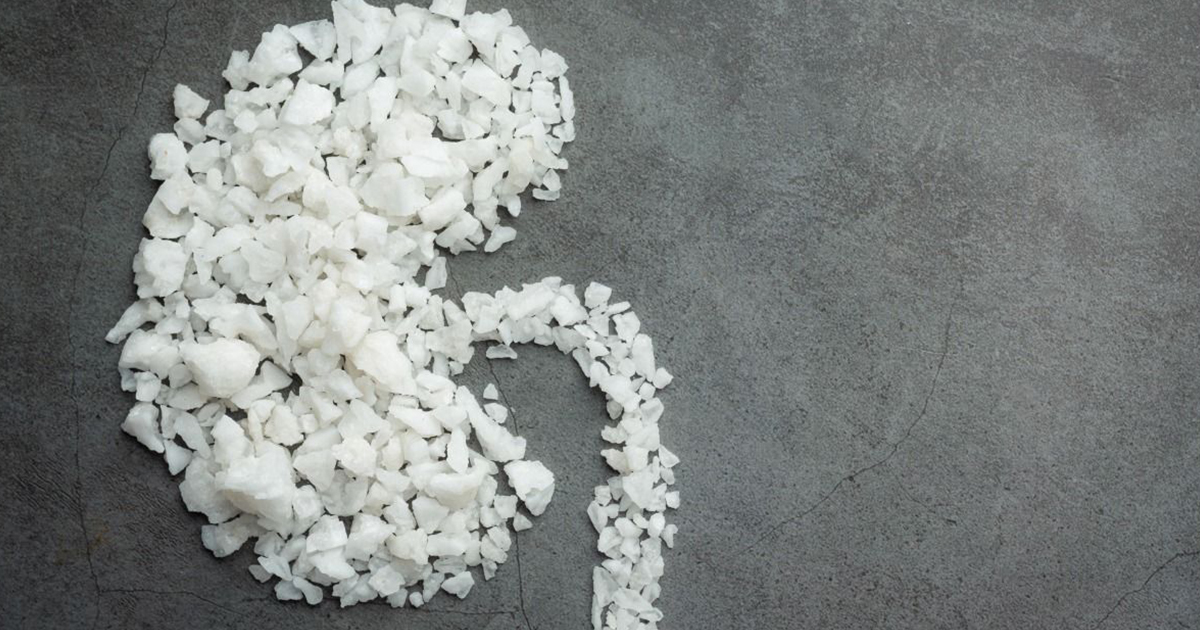
About 1 out of 10 people will have stones formed in their kidneys. National Kidney Foundation pointed out there is a 30% chance of getting another stone in 5 years for those who have experienced the first occurrence. Signs of having stones in the kidneys include sharp pain in the back, side, lower abdomen, or groin. Urine may appear in pink, red, or brown color because of bleeding. Some people may also experience abnormal urination, such as constant urge for urination, pain while urinating, only able to urinate in small amounts, cloudy urine, or bad-smelling urine.


Diet changes like eating fruits and vegetables with high water content are the most common recommendation for someone with stones in their kidneys. However, there is not much research that focuses on the dietary differences between people with one incident of having stones in the kidneys and people who have recurrent incidents. To examine how diet affects both groups, a research team recruited 795 people who visited the Mayo Clinic in Rochester and Florida between 2009 and 2018. 411 had their first occurrence of stone formation in the kidneys (with signs), while the remaining 384 people belonged to the control group. The team collected information on 155 different food and beverages from the participant and followed up for around 4.1 years.


The result showed that low consumption of dietary calcium, potassium, caffeine, and phytate was related to a higher chance of first-occurrence of stone formation in the kidneys (with signs). During the follow-up period, 73 of them experienced reoccurrence. Low dietary calcium and potassium intake were found to be the best indicators of the formation of stones again, according to further investigation.


1. Fluids: “Low fluid intake” mentioned in the research equals consuming less than 108 oz. of fluids per day, which counts water content in fruits and vegetables.

2. Caffeine: Research has shown that 1 – 1.5 cups of coffee per day can reduce the risks of developing stones by 40%.

3. Phytate: Exists in food like whole grains, nuts, and legumes. Vitro studies revealed its potential to inhibit calcium oxalate crystal formation. Therefore, higher dietary phytate intake may help lower the risk of stone formation in the kidneys.


Based on the results, the research authors suggest getting 1200 mg of calcium daily to help prevent stone formation. Dairy products, tofu, and leafy greens are good sources of calcium. Although the authors don’t suggest a dietary goal for potassium, they encourage consuming potassium-rich food, such as fruits and vegetables.

Reference:
  1. Everyday Health
Disclaimer:
  • * All research and clinical data should be used as reference purposes only, results may vary.

RELATED QUESTIONS
A:
DTS is specially formulated to support your body’s natural detoxification system and help you feel revitalised from within. This unique blend of premium Japanese herbs, including Panax Pseudo Ginseng and Eucommia, works together to promote kidney and liver health.   DTS Renews Your Body from Within The carefully selected ingredients in DTS work together to enhance circulation and support your kidneys’ natural filtering function
A:
Recently, we had the honour of inviting one of our loyal users, Annie, to share her experiences with DTS. As a busy housewife and mom, Annie knows all too well how challenging it can be to juggle daily responsibilities while trying to take care of herself. Like many moms, Annie often puts her family’s needs before her own. After her second child arrived, her days became even busier. She was packing lunches, tidying up toys, and chasing after two energetic kids from mornin
Hit Questions
A:
When it comes to assessing kidney function, two common tests are often used: Creatinine Clearance and estimated Glomerular Filtration Rate (eGFR). Both provide valuable insights into how well the kidneys are filtering waste from the blood, but there are key differences between the two. Understanding these differences can help patients and healthcare providers make informed decisions about kidney health.   Comparison of eGFR and Creatinine Clearance
A:
How long does it take to see results? Should I stop taking it after a while? Are there any side effects? These are some of the most common questions we get, and let’s find out the answer together.   How long does it take to see results? Results often vary among different users, as no two individuals have the same condition, diet, and lifestyles, which could all play parts in the effects of DTS. Kidney damage is known to be irreversible
A:
High creatinine levels can be indicative of kidney injury or disease. Creatinine is a waste product that accumulates in the bloodstream and is normally filtered out by healthy kidneys.   Understanding High Creatinine Levels Creatinine levels in the blood can provide valuable insights into kidney function. When creatinine levels are high, it suggests that the kidneys are not effectively filtering waste products from the bloodstream. This can
A:
Discover the benefits of the DTS Kidney Supplement; a blend of traditional Japanese therapy and modern scientific techniques. Since 1992, our dedicated research efforts have focused on ensuring the effectiveness of this carefully crafted formula. Our studies have been conducted at respected research centers worldwide and have been presented at reputable conferences. Additionally, select studies have been published in international medical journals and recognized by the U.S.
Have Questions?

Submit your question to us for profeessional answers!

Want to know more about DTS?
Send us your questions right away!

Contact us