The Science of Pee: What Your Urine Can Tell You About Your Kidneys
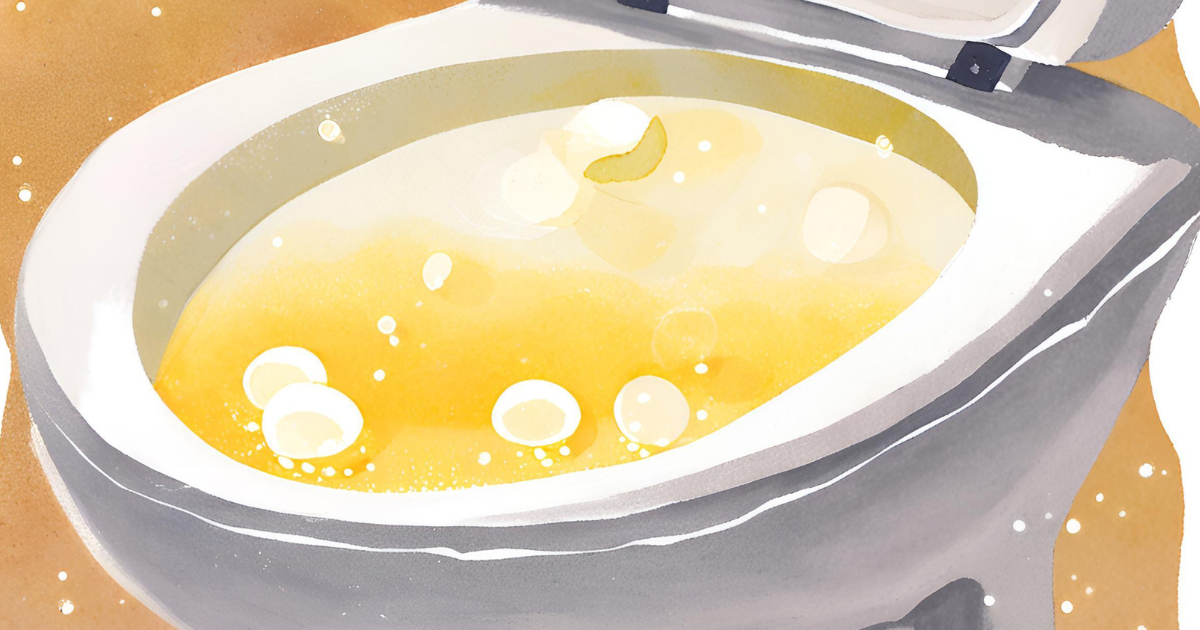
The kidneys are vital detoxifying organs responsible for filtering metabolic waste and excess water from the body. When the kidneys encounter problems, the urine often reflects these changes, making it an essential indicator of health, particularly for the kidneys and urinary system. By observing the foam, color, smell, and frequency of urination, potential health issues can be detected early.
1. Color
The color of your urine is a direct reflection of your body’s health and can be influenced by daily diet and water intake. Generally, the shade of urine corresponds to hydration levels. Pale yellow or clear urine indicates sufficient hydration and normal health, while darker yellow suggests dehydration and the need for more water.
If the urine appears tea-colored or brown, it may signal liver-related issues, while pink or red urine may indicate the presence of blood. Certain medications can also alter urine color. For instance, the kidneys may fail to break down pigments in certain drugs, resulting in green or blue urine. If unusual urine color persists, it’s advisable to seek medical evaluation to rule out potential health risks.
2. Smell
In addition to color, the smell of urine can also provide clues about underlying health conditions. Freshly passed urine typically has little to no odor. However, once exposed to air, bacteria begin to break down components in the urine, releasing ammonia, commonly recognized as the “urine smell.”
Noticeable changes in urine odor may be linked to health or dietary factors. For example, a sweet-smelling urine may indicate high blood sugar levels, while a foul or rotting odor often accompanies urinary tract infections. Additionally, certain foods (like asparagus) or medications may temporarily alter the smell of urine.
3. Foam
Foamy urine can sometimes occur due to fast urination, the mixing of urine with air, or insufficient water intake. However, if you notice persistent foam in your urine, it’s worth observing before flushing. If the foam doesn't dissipate after 5 minutes, it may indicate a potential health issue, such as proteinuria.
Proteinuria refers to an excessive amount of protein in the urine and is often linked to kidney dysfunction. When glomeruli are damaged, protein may leak into the urine, causing foam to appear. If foamy urine persists, especially when accompanied by symptoms like swelling or fatigue, it could be a warning sign of kidney problems.
4. Frequency
Changes in urination frequency may also be a signal of underlying health concerns. On average, a healthy person urinates 6 to 8 times a day, with nighttime urination occurring less than once. Urinating more than 8 times in a day is considered “frequent urination” and may be associated with conditions such as high blood sugar, kidney infections, or an enlarged prostate. Conversely, a noticeable decrease in urination frequency may indicate dehydration or issues such as kidney dysfunction or urinary obstruction.
Urine serves as an important indicator of overall health. Pay attention to changes in its color, smell, foam, and frequency. If you notice any abnormalities, consult a medical professional promptly to address potential health concerns and safeguard your well-being.
- * All research and clinical data should be used as reference purposes only, results may vary.